Decarbonization Projects
From measuring the carbon footprint of industrial facilities to achieving real-world reductions on-site; a comprehensive engineering partnership for CBAM compliance and the journey to net-zero.
Discover Your Potential in Energy: Let’s Work Together to Develop Your Plans for Carbon Border Adjustment Mechanisms

From measuring the carbon footprint of industrial facilities to achieving real-world reductions on-site; a comprehensive engineering partnership for CBAM compliance and the journey to net-zero.
Many companies view decarbonization as merely a matter of reporting. However, truly reducing a carbon footprint requires concrete changes to a facility’s energy infrastructure, production processes, and procurement decisions.
At Dexren, we are your partner throughout every stage of the decarbonization process: from emissions measurement to roadmaps, and from renewable energy implementation to certification.
We provide measurement and reporting services through our strong, independent partners, and we deliver physical reduction solutions using our field-proven engineering expertise.
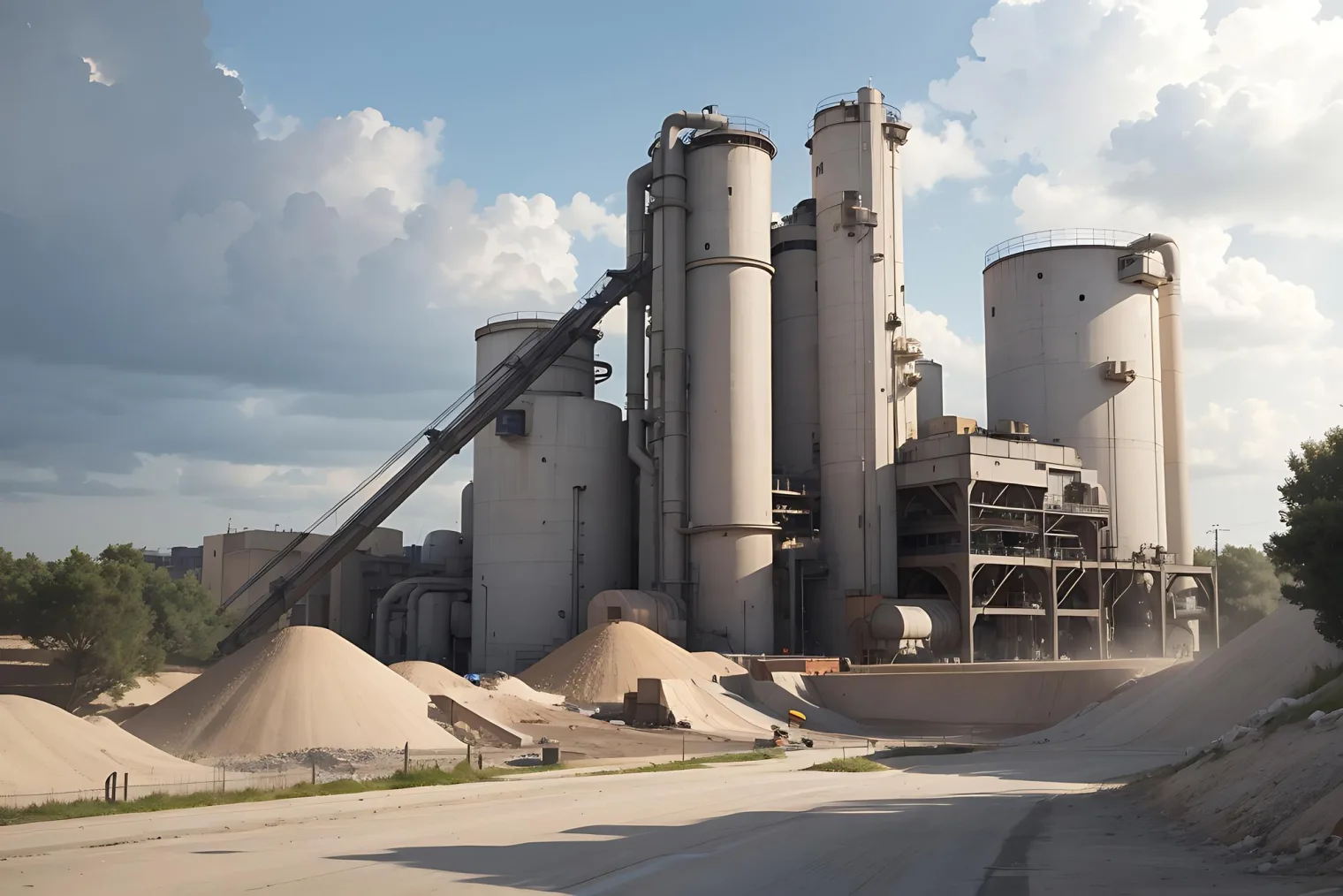
The European Union’s Carbon Border Adjustment Mechanism (CBAM) will take full effect in 2026. Approximately 40% of Turkey’s exports go to the EU, and sectors producing steel, cement, aluminum, fertilizer, and electricity will be directly affected.
During the same period, Turkey is transitioning to the pilot phase of its own Emissions Trading System (ETS). This marks a new reality for industry: carbon is no longer just a reported data point, but a cost that must be paid.
The year the CBAM takes full effect. After this date, companies exporting to the EU will pay a fee for the embedded carbon emissions in their products.
The share of Turkish exports to the EU. The automotive parts, steel, cement, aluminum, and fertilizer sectors are initially covered under the CBAM.
Turkey’s ETS Pilot Phase is set to begin. Domestic carbon pricing will initially cover sectors subject to the CBAM.
At this pace, making the right decision favors those who act rather than those who wait. Early preparation both reduces the cost of adaptation and creates a competitive advantage.
Decarbonization is neither a one-time project nor merely a reporting exercise. Meaningful carbon reduction requires a structured journey. At Dexren, we work with our clients to plan, implement, and sustain the following five stages.
Measuring and interpreting current emissions by source—the starting point of the journey.
Facility- or organization-level Scope 1, Scope 2, and Scope 3 emissions inventories. Calculations compliant with the GHG Protocol and ISO 14064. Measurement and verification processes are carried out by our independent partners; technical inputs are provided by Dexren engineers.
A feasible, phased, and finance-friendly roadmap to achieve the target from the current situation.
A phased implementation plan aimed at achieving the Net Zero target or CBAM compliance target. Calculation of TCO and carbon reduction potential for each phase. Investment prioritization, financing options, and incentive analysis.
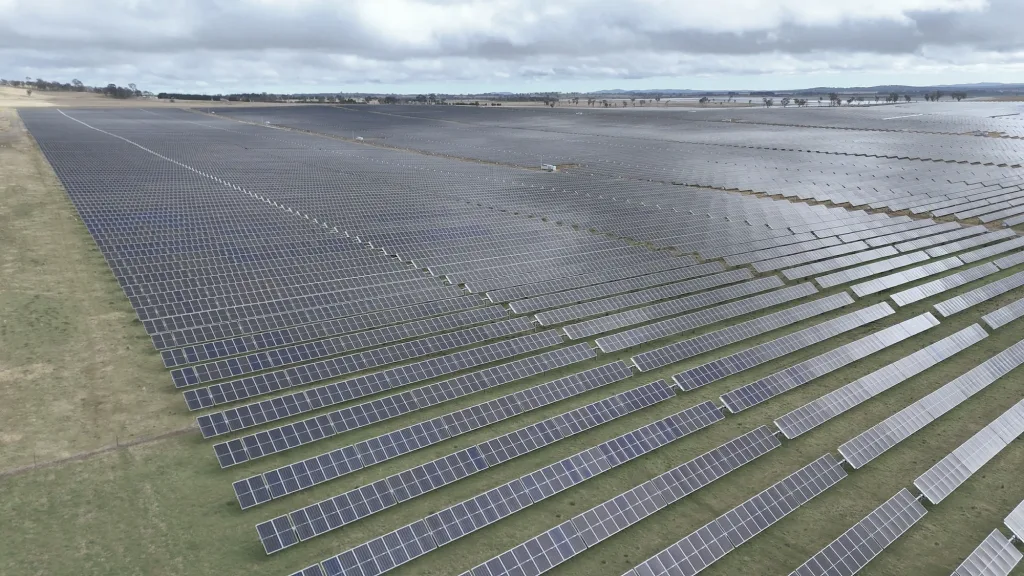
The physical implementation phase of carbon reduction—Dexren’s area of greatest strength.
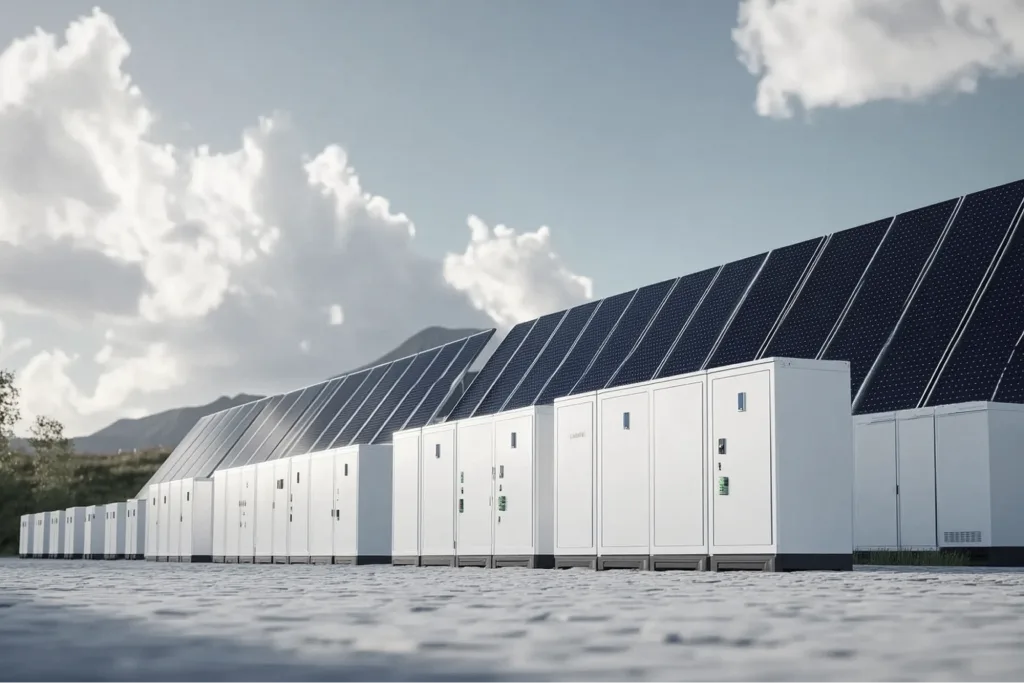
The stage where actual reductions take place on-site: renewable energy generation, energy storage, electrification, waste heat recovery, and process optimization. With our turnkey EPC capabilities at this stage, we turn the reduction targets outlined in the roadmap into reality on-site.
Independent verification of emissions reductions, internationally recognized certification and reporting.
CBAM reporting documentation, renewable energy certificates such as I-REC and Gold Standard, and voluntary carbon market onboarding processes. Certification is carried out through our accredited partners; Dexren provides technical input and coordinates the process.

Operational efficiency and continuous improvement that sustain reduction gains over the long term.
Performance monitoring of implemented systems, energy management systems (EMS), periodic carbon reporting, and a continuous improvement cycle. Operational support that ensures the emission reductions achieved in the early years are maintained in subsequent years.
Measuring and interpreting current emissions by source—the starting point of the journey.
Facility- or organization-level Scope 1, Scope 2, and Scope 3 emissions inventories. Calculations compliant with the GHG Protocol and ISO 14064. Measurement and verification processes are carried out by our independent partners; technical inputs are provided by Dexren engineers.
A feasible, phased, and finance-friendly roadmap to achieve the target from the current situation.
A phased implementation plan aimed at achieving the Net Zero target or CBAM compliance target. Calculation of TCO and carbon reduction potential for each phase. Investment prioritization, financing options, and incentive analysis.
The physical implementation phase of carbon reduction—Dexren’s area of greatest strength.
The stage where actual reductions take place on-site: renewable energy generation, energy storage, electrification, waste heat recovery, and process optimization. With our turnkey EPC capabilities at this stage, we turn the reduction targets outlined in the roadmap into reality on-site.
Independent verification of emissions reductions, internationally recognized certification and reporting.
CBAM reporting documentation, renewable energy certificates such as I-REC and Gold Standard, and voluntary carbon market onboarding processes. Certification is carried out through our accredited partners; Dexren provides technical input and coordinates the process.
Operational efficiency and continuous improvement that sustain reduction gains over the long term.
Performance monitoring of implemented systems, energy management systems (EMS), periodic carbon reporting, and a continuous improvement cycle. Operational support that ensures the emission reductions achieved in the early years are maintained in subsequent years.


the only result of this model is delays and costs.


We’re here for you every step of the way as your single point of contact.
Every stage of the decarbonization journey requires different expertise. The following six service areas reflect the scope of our work where our clients achieve tangible results.



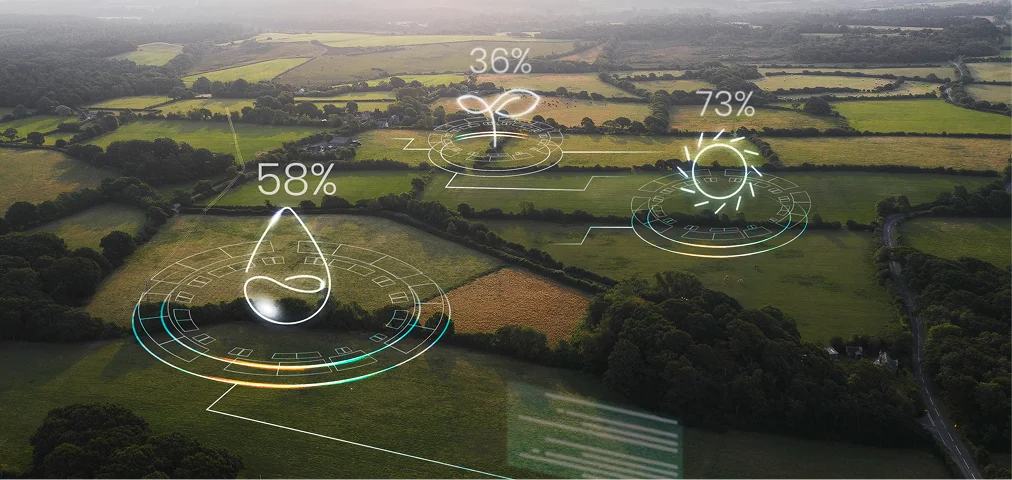
Scope 1, 2, and 3 emissions calculation; CDP, SBTi, and voluntary reporting infrastructure. Creating emissions inventories in accordance with international standards—in collaboration with our independent partners.
Embedded emissions calculations, CBAM reporting documentation, and supply chain emissions tracking for manufacturers exporting to the EU market. Pre-2026 preparation programs.
A phased transition plan from the current situation to the Net Zero or CBAM compliance target. Investment prioritization based on a TCO and carbon reduction potential analysis.

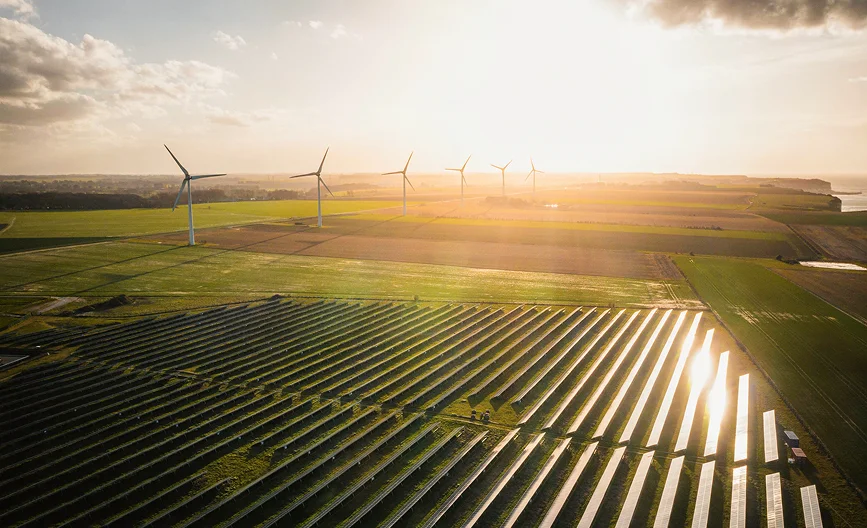
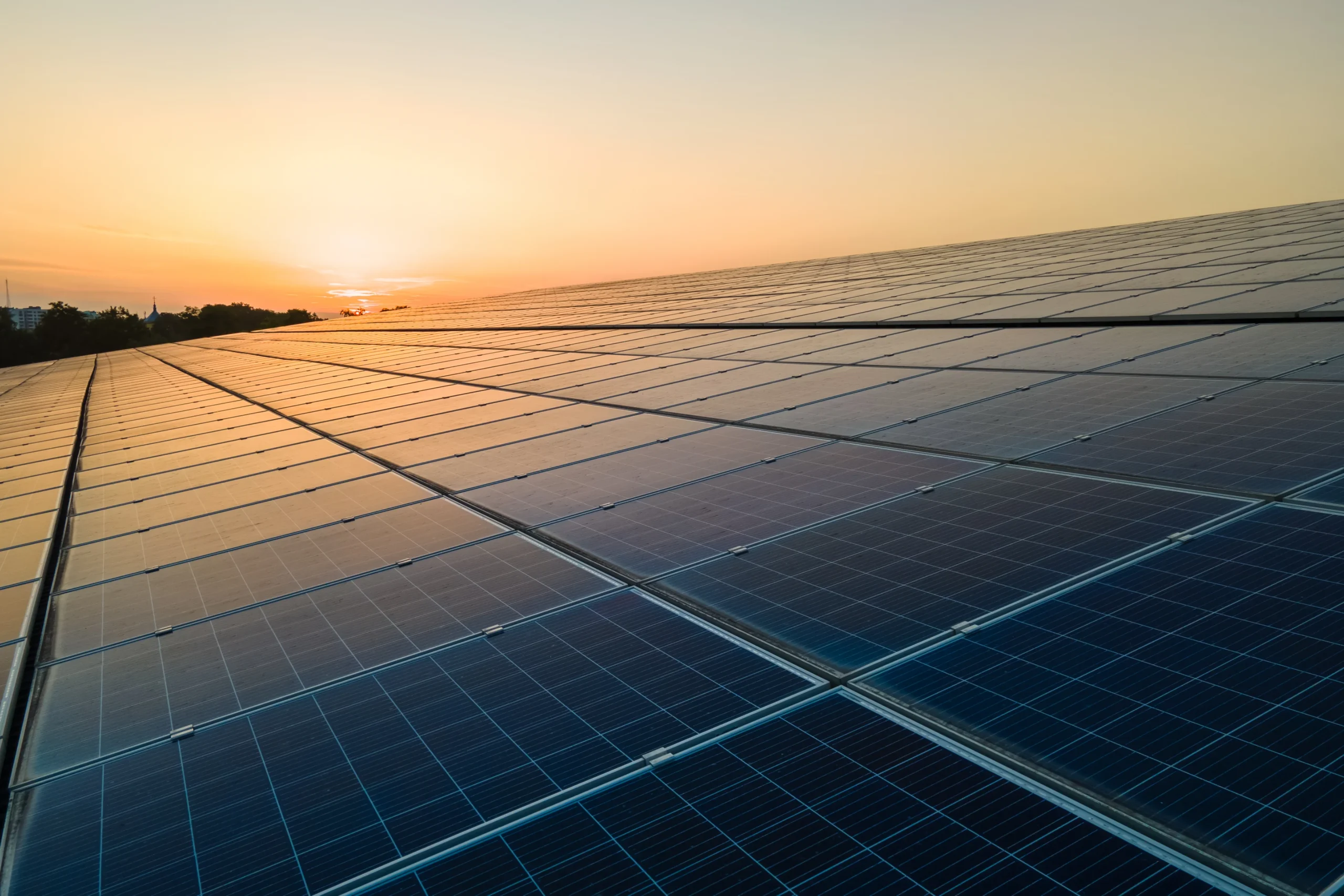
Direct reduction of Scope 2 emissions through on-site solar PV, BESS, and hybrid systems. Access to green energy without capital investment through the solar PPA model.

Waste heat recovery, facility energy management systems (EMS), consumption profile optimization. Improvement alternatives without investment using the ESCO model.
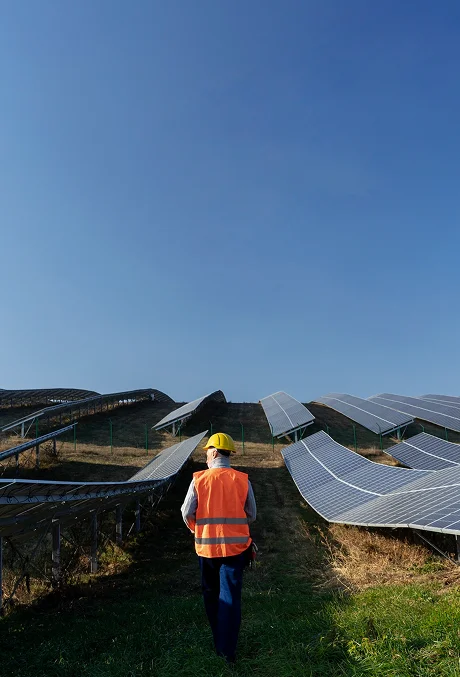
Support for carbon credit generation, I-REC and Gold Standard certification, Turkey ETS compliance processes, and advisory services for entering the voluntary carbon market.
The vast majority of players in the decarbonization market either focus solely on measurement and reporting or solely on implementation. This leaves the customer dealing with multiple companies, multiple contracts, and multiple timelines.
At Dexren, what sets us apart is our ability to serve as your single point of contact throughout the entire journey: with our strong, independent partners for measurement and certification, and our own field-proven engineering expertise for physical reduction.
From measurement to reporting, from EPC to certification—you have a single point of contact at every stage of the process. You don’t have to coordinate multiple consultants.
Experience gained in 13 countries in solar, BESS, electrification, and hybrid systems. Our roadmap doesn’t just stay on paper—it becomes a reality in the field.
We work with accredited, independent partners in our measurement and certification processes. This independence ensures the reliability of the verification.
We offer specialized services for sectors included in the initial scope of CBAM and for industries with high carbon intensity.
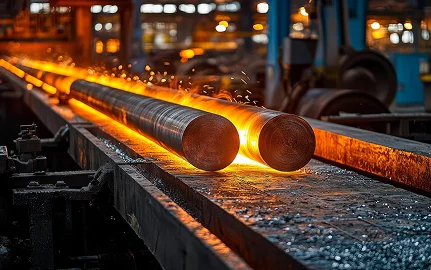
Production processes with high carbon intensity are transformed into low-carbon processes through investments in energy efficiency and emissions reduction.
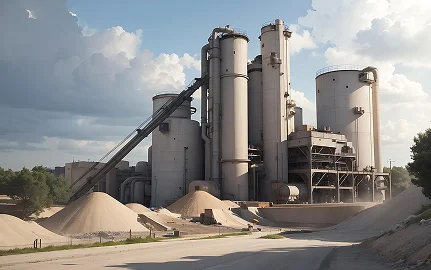
High emissions from production are measurably reduced through alternative fuels, process optimization, and renewable energy solutions.
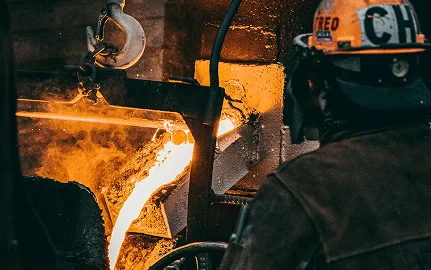
Production processes with high electricity consumption can be made more sustainable through the use of clean energy and investments in efficient technology.

Energy- and raw material-intensive processes are made compatible with low-carbon targets through emissions monitoring and efficiency initiatives.
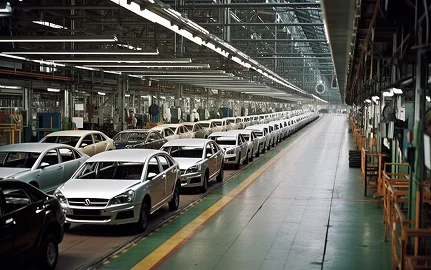
The carbon footprint—from production to the supply chain—is managed holistically through energy transition and traceability solutions.

High energy and water consumption is sustainably reduced through efficient production systems and the use of renewable resources.
Dexren’s decarbonization expertise stems from engineering that has been tested in real-world industrial projects. The examples below provide a glimpse into our applications aimed at physical reduction in industrial facilities.

Whether you’re conducting your first emissions measurement or preparing to implement your Net Zero roadmap—at Dexren, we’re here to support you every step of the way. Let’s schedule a meeting to map out your industry’s carbon footprint.
Type the word you want to search for...
Cookie Settings
Our website uses cookies to provide you with the best experience. To learn more about cookies and adjust your preferences, please visit our KVKK page.